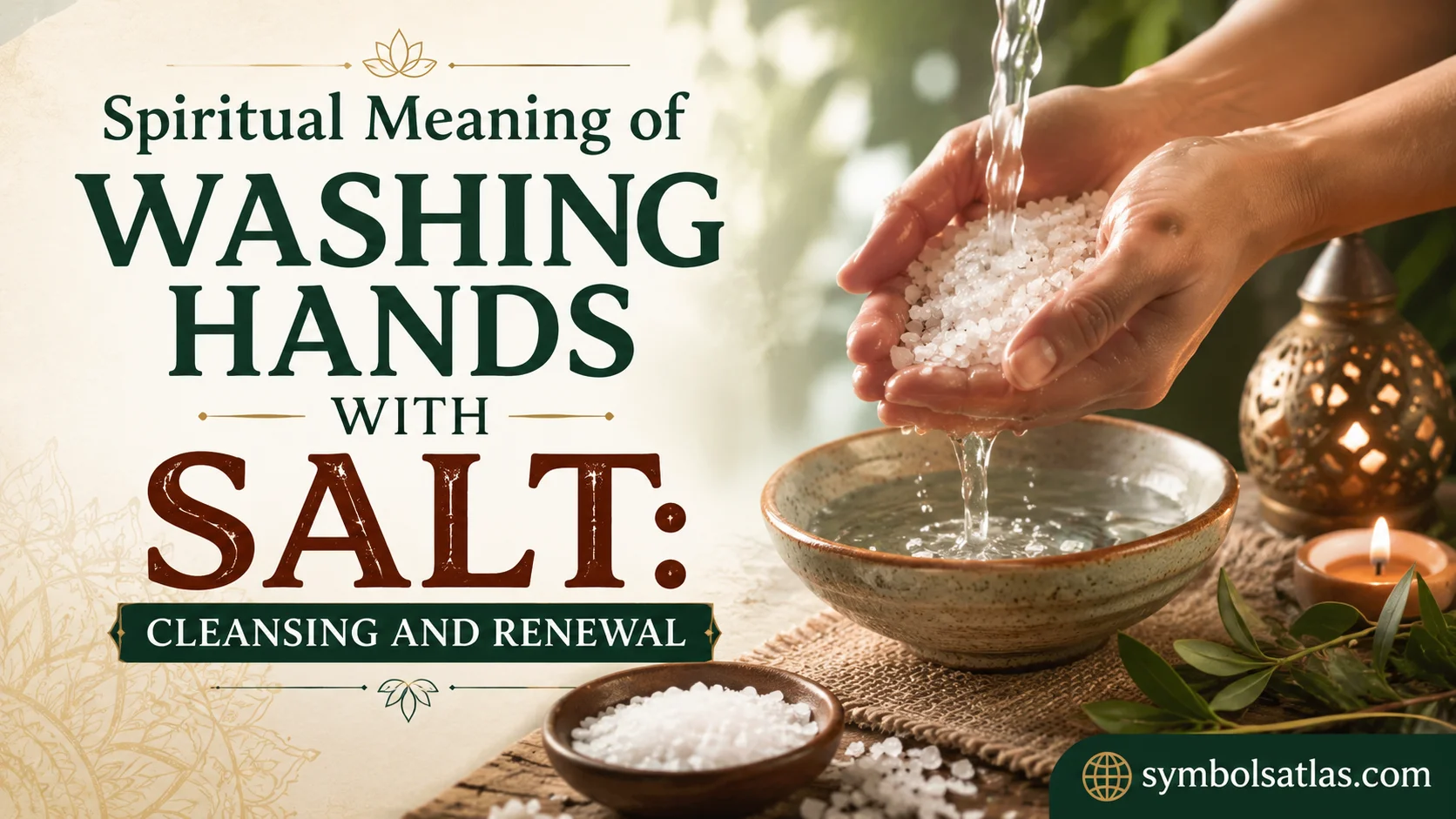

The spiritual meaning of washing hands with salt is often linked to cleansing, protection, and removing unwanted negative energy. Many spiritual traditions view salt as a powerful symbol of purity and renewal.
Across different cultures and belief systems, washing hands with salt is considered a simple yet meaningful spiritual practice. People often use it when they want to release negative energy, clear emotional burdens, or create a sense of spiritual balance. Salt has long been associated with purification, and combining it with water symbolizes washing away stress, worries, and energetic blockages. While interpretations vary, many believe this ritual helps restore inner peace, strengthen spiritual awareness, and encourage a fresh start in both personal and spiritual life.
The spiritual significance of washing hands with salt also extends to protection and renewal. Some individuals perform this practice before prayer, meditation, or important life events to promote positive energy and emotional clarity. In spiritual symbolism, the hands represent action, connection, and personal power, making their cleansing especially meaningful. By washing the hands with salt, people symbolically release negativity and prepare themselves for new opportunities. This ritual serves as a reminder of spiritual cleansing, emotional healing, and the importance of maintaining a positive and balanced mindset.
Quick Answer
The Spiritual Meaning of Washing Hands with Salt: Washing hands with salt is commonly associated with cleansing, promoting spiritual purification, and creating a fresh start. In the United States, many people see it as a symbolic way to release stress, emotional burdens, or unwanted influences while inviting positivity and balance.
TL;DR
• Symbolizes spiritual cleansing and renewal.
• Often linked to protection from negative energy.
• Salt has ancient roots in purification rituals.
• Popular in modern wellness and spiritual practices.
• Associated with emotional release and fresh beginnings.
• Meanings vary across cultures and traditions.
Overview of Washing Hands With Salt
What Is the Practice?
Washing hands with salt usually involves rubbing salt onto the hands, using salt-infused water, or combining salt with intentional prayer or meditation. The action itself is simple, but its symbolism can be deeply meaningful.
For many Americans, the ritual represents more than physical cleanliness. Instead, it serves as a reminder to let go of emotional weight and move forward with clarity.
Common Symbolic Meanings
• Spiritual purification
• Emotional cleansing
• Protection from negativity
• Personal renewal
• Releasing unwanted influences
• Creating energetic boundaries
Historical Roots of Salt Cleansing Rituals
Ancient Origins
Salt has been valued throughout human history. Ancient civilizations often viewed it as precious because of its ability to preserve food and prevent decay.
Because salt helped protect physical resources, many cultures also connected it to spiritual protection. Over time, it became a symbolic tool for cleansing rituals.
Salt in Early Societies
• Ancient Egyptians used salt in sacred preparations.
• Greeks associated salt with purification rites.
• Romans viewed salt as a valuable sacred substance.
• Many Indigenous traditions used natural purification practices.
• Salt frequently appeared in ceremonial customs.
Why Salt Became Symbolic
Salt’s ability to preserve and purify physical materials inspired broader symbolic meanings. People began to view it as a substance that could also preserve spiritual well-being and cleanse away unseen influences.
The Symbolism of Salt in Spiritual Traditions
Purity and Cleansing
Across many traditions, salt symbolizes purity. Its clean, crystalline appearance often reinforces this association.
Many spiritual practices use salt to represent the removal of unwanted influences and the restoration of balance.
Protection and Boundaries
Salt is frequently viewed as a protective element. Some traditions place salt around homes, doors, or sacred spaces.
Common associations include:
• Spiritual shielding
• Boundary setting
• Personal protection
• Energy cleansing
• Sacred space creation
Renewal and Transformation
The act of washing with salt often symbolizes transformation. Just as dirt is washed away physically, emotional burdens are believed to be released symbolically.
Read More: Left Hand Tingling Spiritual Meaning: Receiving Energy
Spiritual Meaning of Washing Hands With Salt in the USA
Modern American Interpretations
In the United States, spiritual practices often blend influences from different traditions. Salt cleansing has become popular among people seeking mindfulness and personal growth.
Many Americans view the ritual as a symbolic reset after difficult experiences.
Common Reasons People Perform the Ritual
• After stressful situations
• Following emotional conflict
• Before meditation
• Before spiritual ceremonies
• During personal reflection
• At the start of a new chapter
Cultural Influence
Social media, wellness communities, and modern spirituality have helped spread awareness of salt cleansing rituals. Today, the practice is often presented as a simple way to encourage mindfulness and intention.
Salt Cleansing and Emotional Healing
Letting Go of Emotional Weight
Many people connect hand-washing rituals with emotional release. The physical act creates a visible reminder of letting go.
Although the effects are symbolic rather than scientific, participants often describe feeling lighter afterward.
Emotional Associations
• Relief
• Calmness
• Clarity
• Renewal
• Hope
• Emotional balance
Why Rituals Matter
Psychologists often note that rituals can help people process transitions and difficult experiences. Symbolic actions may provide comfort and structure during periods of change.
Cross-Cultural Meanings of Salt Purification
Salt in Different Traditions
Salt appears in spiritual practices across many cultures. While meanings differ, themes of purification and protection frequently overlap.
Examples of Symbolic Uses
| Context | Meaning in the USA | Common Associations | Notes |
| Personal Rituals | Fresh start | Renewal | Often self-directed |
| Meditation Practice | Mental clarity | Focus | Used before reflection |
| Home Cleansing | Protection | Positive atmosphere | Symbolic practice |
| Religious Traditions | Purification | Sacred intention | Varies by faith |
| Wellness Communities | Energy reset | Balance | Modern interpretation |
Shared Themes
• Purification
• Protection
• Renewal
• Sacred intention
• Spiritual awareness
The Psychological Meaning Behind Salt Cleansing
Symbolic Actions and the Mind
Humans naturally use symbols to process experiences. Washing hands has long represented removing guilt, stress, or unwanted influences.
Adding salt enhances that symbolism because of its historical connection to purification.
What the Ritual Can Represent
• Releasing past mistakes
• Starting over
• Creating personal boundaries
• Regaining focus
• Reclaiming control
Modern Perspective
Many people view the practice as a mindful exercise rather than a supernatural event. The meaning often comes from personal intention and reflection.
Washing Hands With Salt and Energy Cleansing Beliefs
Understanding Energy Cleansing
Some spiritual traditions teach that people absorb emotional energy from their surroundings. Salt cleansing is believed by practitioners to help clear that accumulated energy.
These beliefs vary widely and are not universally accepted.
Common Energy-Cleansing Intentions
• Removing negativity
• Restoring balance
• Enhancing peace
• Encouraging positivity
• Supporting spiritual focus
Personal Interpretation
Because spiritual beliefs differ, individuals often adapt the ritual to fit their own values and traditions.
Modern Uses in Wellness and Spiritual Communities
Growing Popularity
Interest in spiritual wellness increased significantly during the 2020s. As a result, simple rituals such as salt cleansing gained broader visibility.
Many people appreciate the practice because it requires few materials and can be done almost anywhere.
Popular Modern Settings
• Wellness retreats
• Meditation sessions
• Yoga communities
• Personal spiritual routines
• Online spiritual content
• Self-care practices
Social Media Influence
Videos and posts often describe salt cleansing as a way to encourage positive intentions. However, interpretations vary widely between creators.
Tattoos, Decor, and Symbolic Representations
Beyond the Ritual
The symbolism of purification extends beyond washing hands. Many people express similar ideas through art, jewelry, and home décor.
Common Themes
• Fresh beginnings
• Personal growth
• Inner peace
• Protection
• Healing journeys
Symbolic Design Choices
Images of water, crystals, circles, and open hands frequently accompany themes connected to spiritual cleansing and renewal.
Misunderstandings and Controversies
Not a Universal Belief
One common misunderstanding is assuming all spiritual traditions interpret salt the same way. In reality, meanings vary significantly.
Respecting Different Perspectives
Some people view salt cleansing as a sacred practice. Others see it as a symbolic wellness ritual. Still others regard it simply as a cultural tradition.
Areas of Debate
• Spiritual versus symbolic interpretation
• Cultural appropriation concerns
• Differences between traditions
• Commercialization of rituals
• Social media oversimplification
A Balanced View
Understanding context helps people appreciate the practice respectfully without assuming a single interpretation applies everywhere.
How the Meaning Has Changed Over Time
Ancient to Modern
Historically, salt carried practical value because it preserved food and prevented spoilage. Over time, those qualities inspired symbolic meanings related to protection and purity.
Modern Shifts
Today, many Americans focus less on formal religious symbolism and more on personal growth and mindfulness.
Current Interpretations
• Self-care ritual
• Spiritual reflection
• Emotional reset
• Wellness practice
• Personal empowerment
Continuing Relevance
Despite changing beliefs, themes of cleansing and renewal remain central to the symbolism of salt.
Spiritual Lessons Associated With Salt Hand Washing
What People Often Reflect On
The ritual encourages many individuals to pause and consider what they want to release or transform in their lives.
Common Lessons
• Let go of negativity
• Embrace new beginnings
• Create healthy boundaries
• Focus on inner peace
• Practice mindfulness
• Welcome positive change
Why It Endures
Simple rituals often survive because they give people meaningful ways to mark transitions and express personal intentions.
FAQs
Is washing hands with salt considered a spiritual ritual?
For many people, yes. It is often used as a symbolic act of purification, protection, or renewal. However, interpretations differ among traditions and individuals.
What does salt symbolize spiritually?
Salt commonly symbolizes purity, protection, preservation, and cleansing. These meanings appear in many cultural and spiritual traditions.
Can washing hands with salt remove negative energy?
Some spiritual practitioners believe it can symbolically clear negative energy. Others view it as a mindfulness ritual that encourages emotional release.
Why is salt used in purification rituals?
Historically, salt’s preserving and cleansing qualities inspired symbolic connections to spiritual purification and protection.
Is salt cleansing connected to religion?
It can be. Some religious traditions use salt in ceremonies, while many modern practitioners use it in non-religious wellness practices.
Does the ritual have psychological benefits?
Rituals can help people focus, reflect, and process emotions. Many individuals find symbolic acts comforting during times of change.
Conclusion
The Spiritual Meaning of Washing Hands with Salt: Cleansing centers on themes of purification, protection, renewal, and emotional release. While interpretations differ across cultures and traditions, the practice consistently reflects a desire to remove what no longer serves us and create space for positive change. From ancient purification customs to modern wellness routines, salt has remained a powerful symbol of cleansing and preservation.
Today, many Americans continue to embrace the ritual as a meaningful reminder of fresh beginnings, personal growth, and mindful living. Whether viewed as a spiritual act, a cultural tradition, or a symbolic practice, washing hands with salt invites reflection on what we carry and what we are ready to leave behind.