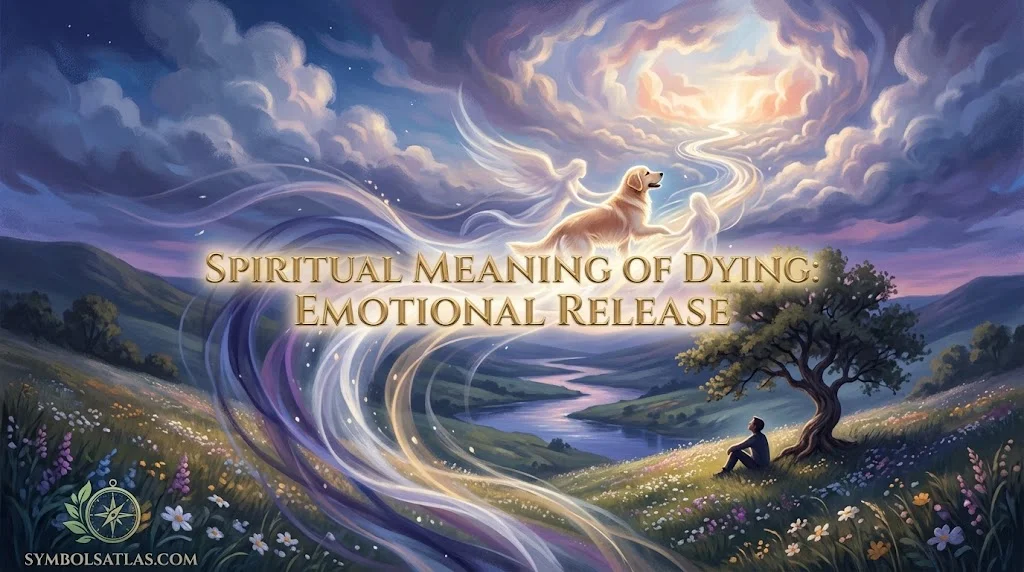

Losing a dog can feel deeply painful, but many people also wonder about its spiritual meaning. A dog’s death may symbolize change, transition, love, or emotional closure.
The spiritual meaning of dog dying can vary depending on your beliefs, emotions, and the circumstances surrounding the loss. Dogs are often associated with loyalty, protection, companionship, unconditional love, and emotional connection, so their passing can feel much deeper than an ordinary goodbye. In spiritual traditions, death is sometimes viewed as a transition rather than an ending. For some people, losing a dog may represent the closing of one chapter and the beginning of another. It can also encourage healing, acceptance, personal growth, and reflection on the special bond you shared with your pet.
When a beloved dog dies, the experience can bring grief while also creating space for meaningful reflection. Some people interpret the loss as a reminder to appreciate unconditional love, release emotional pain, or recognize that important relationships can continue through memories. The spiritual significance of a dog’s death may also be connected with transformation, letting go, protection, and new beginnings. However, there is no single universal interpretation, and grief itself can shape how you understand the experience. Whether you see it spiritually or emotionally, your dog’s passing can honor the bond, memories, and love that made your relationship meaningful.
Quick Answer
The spiritual meaning of dog dying often symbolizes emotional release, the end of a life chapter, unconditional love, and transformation in the USA. In broader spiritual traditions, dogs can also represent loyalty, guardianship, transition, and the bond between life and death.
TL;DR
- A dog’s death can symbolize emotional release after a deep bond.
- Dogs commonly represent loyalty, protection, love, and companionship.
- Ancient cultures connected dogs with death, guardianship, and transition.
- American culture strongly treats dogs as members of the family.
- Grief can turn loss into reflection, healing, and personal growth.
- Spiritual meaning depends on personal beliefs and circumstances.
What Does a Dog Symbolize Spiritually?
A dog has carried strong symbolic meanings across human history. However, those meanings usually come from the animal’s behavior and relationship with people.
For many Americans, dogs represent trust and companionship. Therefore, losing one can feel like losing a source of emotional safety.
Core Spiritual Meanings
Dogs are commonly associated with:
- Loyalty through their strong bonds with people
- Protection because dogs traditionally guarded homes and communities
- Unconditional love through affectionate companionship
- Guidance because dogs often stay close during difficult moments
- Faithfulness because of their dependable relationship with humans
- Emotional connection through daily routines and shared experiences
A dog’s symbolism can also change depending on the situation. A working dog, rescue dog, childhood pet, or elderly companion may carry very different personal meanings.
Spiritual Meaning of Dog Dying
The death of a dog can represent an emotional transition rather than a literal spiritual message. For some people, it marks the closing of one chapter and the beginning of another.
The strongest meaning often comes from the relationship itself. If your dog helped you through loneliness or hardship, the loss may symbolize releasing emotions that were connected to that period.
Emotional Release
Emotional release is one of the most common interpretations.
The experience can bring buried sadness to the surface. It may encourage you to finally acknowledge feelings you previously pushed aside.
For some people, crying, remembering, or talking about their dog becomes part of that release. The process doesn’t erase love. Instead, it can change how that love is carried forward.
Endings and New Beginnings
A dog’s death may also symbolize the end of a familiar life chapter.
Daily walks, feeding routines, sleeping arrangements, and shared habits suddenly change. Those changes can make the loss feel like a major personal transition.
Spiritually, some people interpret this transition as an invitation to:
- Let go of outdated emotional burdens
- Honor what the relationship taught them
- Accept that certain chapters naturally end
- Make room for new experiences without forgetting the past
Historical Roots of Dog Death Symbolism
Dogs have lived alongside humans for thousands of years. As a result, their symbolism developed alongside human ideas about family, protection, death, and the unknown.
Ancient societies did not all view dogs in the same way. Still, several traditions connected dogs with boundaries between ordinary life and the world of the dead.
Ancient Egyptian Connections
Ancient Egyptian religion included Anubis, a deity commonly represented with canine or jackal-like features. Anubis became strongly associated with funerary practices, protection of the dead, and the journey after death.
This connection helped establish an enduring symbolic relationship between canine imagery and death.
However, Anubis does not mean that a modern dog’s death carries a specific supernatural message. Ancient religious symbolism and modern personal spirituality are different contexts.
Greek and Other Ancient Traditions
Ancient Greek mythology included Cerberus, the multi-headed dog associated with the entrance to the underworld. The animal functioned as a guardian of a boundary.
Other Indo-European traditions also contain supernatural or legendary dogs connected with protection, death, or the otherworld.
These stories reveal a recurring pattern: dogs could symbolize guardianship at important boundaries.
Dogs and Death in American Culture
In the United States, dogs have a particularly strong place in everyday family life. Many Americans describe pets as family members rather than simply household animals.
This makes a dog’s death emotionally significant and culturally visible.
The Family Dog
American homes often include dogs in birthdays, vacations, photographs, holidays, and family routines. Dogs may also appear in family announcements and memorial posts.
Because of this closeness, grief after a dog’s death can be intense. The spiritual interpretation often centers on love, memory, gratitude, and release.
Memorial Culture
Today, Americans commonly remember deceased dogs through:
- Framed photographs and memorial portraits
- Paw-print keepsakes and personalized jewelry
- Garden memorials and engraved stones
- Social media tributes and remembrance posts
- Donations to animal shelters in a pet’s name
- Memory boxes containing collars or favorite toys
These practices can turn grief into an act of remembrance.
What Does a Dog Dying Mean Spiritually?
There isn’t one agreed spiritual interpretation. Instead, several themes appear repeatedly in personal and spiritual discussions.
For some people, the death represents release. For others, it represents transformation, unconditional love, or the completion of a shared journey.
Common Interpretations
| Context | Meaning in the USA | Common Association | Important Note |
| Elderly dog | Completion and acceptance | Life cycle | Often connected with natural aging |
| Sudden loss | Shock and emotional awakening | Unexpected change | Grief may be especially intense |
| Rescue dog | Gratitude and healing | Second chances | Meaning often reflects the shared history |
| Childhood dog | Growing up and transition | Memories | May symbolize an earlier life chapter |
| Long-term companion | Unconditional love | Loyalty and family | Loss can reshape daily identity |
These interpretations are symbolic rather than universal rules. Your own relationship remains the most important source of meaning.
Emotional and Psychological Meaning of Losing a Dog
The bond between humans and dogs involves routines, affection, responsibility, and companionship. Therefore, grief can affect many parts of everyday life.
A dog may greet you each morning, sit beside you while you work, or accompany you during walks. When that presence disappears, the emotional adjustment can be difficult.
Why the Loss Feels So Deep
A dog can become part of your personal identity.
You may think of yourself as a dog parent, caretaker, walking partner, or companion. After death, those roles can suddenly change.
The loss may symbolize:
- Loneliness after a constant companion is gone
- Nostalgia for familiar daily routines
- Gratitude for years of shared experiences
- Guilt about decisions made near the end
- Relief when suffering has finally ended
- Acceptance of life’s natural impermanence
Feeling relief alongside sadness doesn’t mean you loved your dog less. Different emotions can exist at the same time.
Is a Dog Dying a Sign of Transformation?
For some spiritual readers, yes. A dog’s death can become a powerful symbol of transformation.
However, transformation doesn’t necessarily mean something supernatural happened. Sometimes the transformation is entirely personal.
A Changed Perspective
Losing a dog can make ordinary experiences feel more meaningful.
A familiar walk may suddenly remind you of years together. An empty bed may bring memories back. Even small habits can become symbols of the relationship.
Because of this, some people use the experience to reconsider:
- How they spend time with loved ones
- Which memories they want to preserve
- What emotional habits they need to release
- How they define love and companionship
- What they want their next life chapter to include
In this sense, death can become a powerful reminder to live more intentionally.
Spiritual Lessons People Associate With a Dog’s Death
People often draw personal lessons from the relationship they had with a dog. These lessons usually come from memory rather than a fixed spiritual tradition.
For example, a loyal dog may remind someone to value dependable relationships. A playful dog may inspire someone to reconnect with joy.
Common Lessons
Love doesn’t require words. Dogs communicate affection through presence, behavior, and routine.
Time is limited. A dog’s short lifespan can highlight the importance of appreciating relationships.
Loyalty matters. Dogs often inspire people to think about trust and dependable companionship.
Letting go can be loving. When an animal reaches the end of life, accepting change can become part of compassion.
Memories can continue. Physical presence ends, but the emotional meaning of a relationship can remain.
Cross-Cultural and Spiritual Perspectives
Dog symbolism appears in many cultures, but its meaning isn’t identical everywhere.
Some traditions associate dogs with guardianship and the boundary between life and death. Others emphasize loyalty, hunting, protection, healing, or companionship.
A Respectful View
In some ancient religious traditions, canine figures were connected with funerary practices or supernatural guardians. In other societies, dogs held practical roles that shaped their symbolic importance.
Modern spiritual beliefs also vary. Some people believe animals have souls or continue in another form. Others view the bond through memory, nature, or personal meaning.
None of these interpretations can be treated as a universal fact. Spiritual symbolism is shaped by culture, faith, and individual experience.
Does a Dog’s Death Mean Letting Go?
One of the strongest modern interpretations is letting go.
That doesn’t mean letting go of love. Instead, it can mean releasing the physical relationship while preserving its emotional importance.
Releasing Without Forgetting
People sometimes worry that moving forward means leaving their dog behind.
A healthier symbolic interpretation can be different. You can release the pain while keeping the memories.
A collar may become a keepsake. A photograph may become a reminder of joy. A favorite walking route may eventually feel peaceful instead of painful.
In this way, letting go becomes an emotional change rather than an act of forgetting.
Dog Death Symbolism in Dreams and Signs
After losing a dog, people may dream about the animal or notice reminders everywhere. These experiences can feel unusually meaningful.
Dreams often reflect memories, emotions, and unresolved grief. Seeing a familiar toy, hearing a similar bark, or finding an old photograph can also trigger strong feelings.
How to Interpret These Experiences
Instead of assuming every experience is a supernatural sign, consider the personal meaning first.
Ask yourself:
- What emotion did the experience bring up?
- What memory does it connect with?
- What did my dog represent in my life?
- Am I seeking comfort, closure, or reassurance?
- Does the experience encourage a positive action?
This approach allows spiritual reflection without treating uncertain interpretations as facts.
Read More: Spiritual Meaning of Flies in the Bible: Judgment and Decay
Modern Uses of Dog Death Symbolism
Dog remembrance has become increasingly visible in American digital and creative culture.
People use photographs, artwork, tattoos, jewelry, and social posts to preserve the emotional connection.
Tattoos and Memorial Art
A dog memorial tattoo may include a paw print, portrait, name, date, heart, flower, or meaningful symbol.
Some people choose minimalist designs. Others prefer detailed portraits or scenes representing a favorite activity.
The important feature isn’t the design itself. It’s the personal story attached to it.
Social Media and Memorial Posts
Social media has also changed how people publicly process pet loss.
A memorial post may share photographs, stories, favorite habits, or a simple goodbye. For many Americans, this creates a space where friends can recognize the importance of the relationship.
Misunderstandings About the Spiritual Meaning
Dog death symbolism can become confusing when personal beliefs are presented as universal spiritual laws.
There is no reliable universal rule saying that a dog’s death predicts a specific event. Likewise, a dog’s death doesn’t automatically indicate punishment, bad luck, or an unavoidable future change.
Symbolism Versus Prediction
Symbolism is different from prediction.
A person may interpret a dog’s death as emotional release because that interpretation helps explain their experience. That doesn’t mean the event objectively predicts another event.
Keeping this distinction clear makes spiritual reflection more respectful and grounded.
Avoiding Unnecessary Guilt
People may also wonder whether they caused the death spiritually.
That kind of interpretation can create unnecessary guilt. A pet’s death can be heartbreaking without being treated as evidence of personal wrongdoing.
The most meaningful response is often compassion, remembrance, and acceptance.
How the Meaning Changes Over Time
The symbolism surrounding a dog’s death isn’t fixed. It can change as society’s relationship with dogs changes.
Historically, dogs could be guardians, hunting partners, workers, or religious symbols. Today, many Americans primarily experience dogs as beloved companions and family members.
From Guardian to Family
This shift has changed the emotional meaning of loss.
A working animal’s death might once have been understood mainly through duty or practical loss. Today, the same event may be experienced through family grief and personal memory.
Still, older symbols haven’t disappeared. Ideas of loyalty, protection, guardianship, and companionship remain powerful.
The modern meaning simply adds another layer: deep emotional attachment.
Finding Meaning After Your Dog Dies
Finding meaning doesn’t require choosing a supernatural explanation.
You can honor the relationship through simple actions that reflect what your dog meant to you.
Gentle Ways to Remember
Consider creating a small ritual that feels natural to you.
You might plant a tree, frame a photograph, preserve a collar, write a letter, or support an animal organization. These actions can give grief a place to go.
Some people also create a personal list of lessons their dog gave them. That list can transform memories into something they carry into future relationships.
Most importantly, there is no correct timeline for grief. The emotional bond was real, so taking time to adjust is understandable.
FAQs
1. What is the spiritual meaning of a dog dying?
The spiritual meaning of a dog dying may symbolize transition, change, emotional healing, unconditional love, or letting go. The interpretation depends on your personal beliefs and the relationship you shared with your dog.
2. Does a dog’s death have a spiritual message?
Some people believe a dog’s passing can carry a spiritual message about acceptance, personal growth, protection, or moving into a new stage of life. However, these interpretations are personal rather than universal spiritual facts.
3. What does it mean spiritually when a beloved dog dies?
Spiritually, the death of a beloved dog may represent the end of one chapter and the beginning of another. It can encourage you to honor memories, love, gratitude, and emotional healing while accepting the natural cycle of life.
4. Can a deceased dog still be spiritually connected to you?
Many people feel that their connection with a deceased pet continues through memories, dreams, familiar behaviors, and meaningful reminders. Whether this is understood spiritually or emotionally, the bond you shared can remain an important part of your life.
5. Is losing a dog a sign of new beginnings?
In some spiritual interpretations, the loss of a dog can symbolize transformation and new beginnings. It may encourage you to release what has ended while carrying the love and lessons from your relationship into the future.
Conclusion
The spiritual meaning of dog dying can be deeply personal. For some, it represents transition, closure, transformation, and new beginnings, while others simply see it as a painful part of the natural cycle of life. There is no single meaning that applies to everyone.
Above all, the death of a beloved dog can remind you of the love, loyalty, companionship, and memories you shared. Give yourself time to grieve, remember the joyful moments, and allow your own beliefs to guide how you understand the loss. The physical presence may be gone, but the meaningful bond you created can remain with you for years to come.